/filters:format(jpeg,png)/fit-in/300x300/guide_websites/133101/images/1778551564055liquid_silence_dive_charters_logo.png)
/filters:format(jpeg,png)/fit-in/237x80/guide_websites/133101/images/1778551564055liquid_silence_dive_charters_logo.png)
Underwater Research Diving in Ocala, FL
Scuba Diving Experience in Ocala - What to Expect
%2F%2Fusers%2F6e8825d1-b547-46d7-b946-277f8585d844%2Fimages%2Funderwater-scuba-diving-exploration-2414.jpg&w=1920&q=75)
Guided Fishing Activity Trip by Instructor Ted Bullard in May
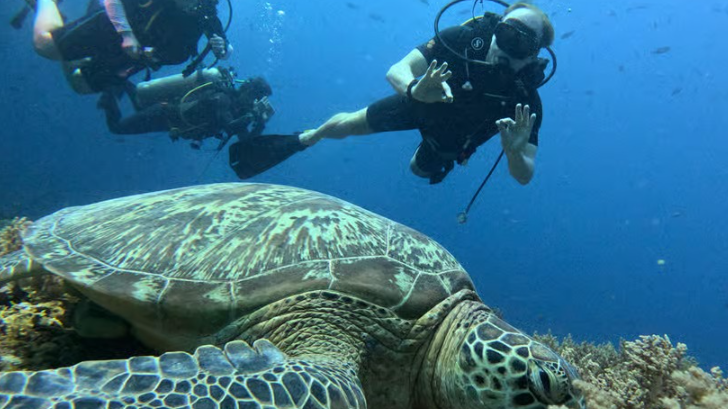
- Elite Florida Scuba & Spearfishing Charters


Summary
Join a guided diving activity trip in Ocala on Tuesday, May 12 to explore underwater research environments and seagrass ecosystems. This scuba diving experience combines technical exploration with natural discovery in Florida's unique aquatic habitats.
Guided Diving with Ted Bullard - Rates & Booking
Guide Ted Bullard of Liquid Silence Dive Charters offers guided diving activities in Ocala on Tuesday, May 12. This hands-on experience focuses on underwater research techniques and environmental exploration in natural seagrass habitats. For specific rates, duration, group sizes, and equipment inclusions, contact Liquid Silence Dive Charters directly to customize your dive experience and secure your booking today.
Highlights of Underwater Exploration
Diving in Ocala's seagrass beds offers a unique window into aquatic ecosystems few people experience. These shallow-water environments support diverse marine life and plant communities that thrive in Florida's mineral-rich spring systems. Participants learn proper research techniques, environmental observation methods, and safe diving practices while exploring these productive underwater landscapes.
Seagrass beds serve as critical nurseries and feeding grounds for countless species. Working in these environments teaches divers how human activity and scientific research must coexist respectfully with natural systems. The clarity of Florida's spring-fed waters makes detailed observation and documentation possible, offering an ideal setting for learning underwater exploration fundamentals.
Underwater Research and Seagrass Bed Ecosystems
Seagrass beds represent one of Florida's most productive and underappreciated ecosystems. These underwater meadows provide shelter, food sources, and nursery habitat for fish, crustaceans, and mollusks. The plants themselves stabilize sediment, improve water clarity, and produce oxygen through photosynthesis. Understanding seagrass ecology requires hands-on observation at depth, something guided diving experiences uniquely provide.
Research diving in these environments teaches observation skills that apply far beyond the water. Divers learn to identify plant species, recognize animal behavior patterns, and understand how environmental conditions influence ecosystem health. The relatively shallow depths of seagrass beds make them ideal for newer divers while remaining fascinating for experienced explorers. Equipment handling in working conditions teaches practical skills that strengthen overall diving competency.
Ocala's spring systems maintain consistent water temperatures and exceptional visibility year-round. These conditions create stable environments where research equipment functions reliably and divers can focus on observation rather than struggling with adverse conditions. The predictable nature of spring diving allows guides to emphasize technique and environmental learning rather than managing challenging logistics.