/filters:format(jpeg,png)/fit-in/300x300/guide_websites/133101/images/1778551564055liquid_silence_dive_charters_logo.png)
/filters:format(jpeg,png)/fit-in/237x80/guide_websites/133101/images/1778551564055liquid_silence_dive_charters_logo.png)
Scuba Diving Adventure in Ocala, FL
Scuba Diving in Ocala - What to Expect
%2F%2Fusers%2F6e8825d1-b547-46d7-b946-277f8585d844%2Fimages%2Funderwater-scuba-diving-adventure-2377.jpg&w=1920&q=75)
Guided Fishing Activity Trip by Instructor Ted Bullard in May
- Elite Florida Scuba & Spearfishing Charters


Summary
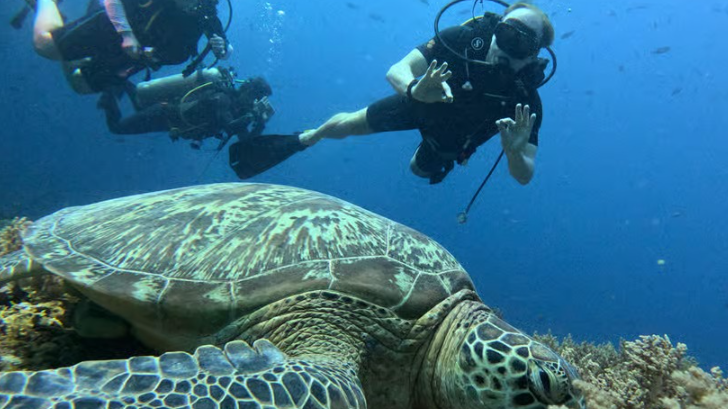
Join a guided fishing activity trip with instructor Ted Bullard of Liquid Silence Dive Charters on Tuesday, May 12th. This scuba diving experience takes you into Florida's underwater world to explore vibrant coral reef ecosystems and discover the marine environment.
Scuba Diving with Ted Bullard - Rates & Booking
Instructor Ted Bullard of Liquid Silence Dive Charters offers guided scuba diving trips in Ocala on Tuesday, May 12th. As a certified dive instructor, Ted brings local expertise and knowledge of the region's underwater sites. To book your scuba diving experience or inquire about rates and availability, contact Liquid Silence Dive Charters directly for detailed pricing and trip specifics.
Highlights of Your Diving Experience
Scuba diving in Ocala gives you access to Florida's unique underwater environment. You'll explore coral reef structures and observe the marine life that calls these ecosystems home. The clarity of the water and the diversity of reef formations make this a rewarding dive destination for both beginners and experienced divers.
Under professional instruction, you'll learn to navigate the underwater landscape safely while appreciating the natural beauty of the reef. The guided format ensures you gain insights into what you're seeing and understand the ecosystem you're exploring.
Underwater Reef Exploration and Dive Environment
Coral reefs are living ecosystems that support thousands of marine species. The coral structures you'll observe during your dive have developed over many years, creating habitats for fish, crustaceans, and other organisms. Understanding what you're seeing underwater enhances the experience significantly.
Scuba diving requires proper technique and safety awareness. Instructors like Ted teach buoyancy control, which allows divers to hover at specific depths and observe marine life without disturbing the reef. This skill is essential for both your safety and for minimizing impact on the delicate reef environment.
The underwater conditions in Ocala vary by season and location. Visibility, water temperature, and current patterns all affect the dive experience. Your instructor assesses these conditions and selects appropriate dive sites. Water temperature in Florida's springs and coastal areas typically ranges from cool to moderate depending on depth, so understanding what to expect helps you prepare properly.
Coral reefs themselves are remarkable structures. Hard corals build the reef framework over decades, while soft corals sway with water movement. Each coral species has specific requirements for light, water flow, and temperature. By learning these details, you gain appreciation for why the reef exists where it does and what keeps it healthy.
Marine life interaction is a highlight of reef diving. Fish species exhibit different behaviors - some are curious about divers, others are territorial, and some are nocturnal. Knowing what you might encounter helps you recognize and respect the wildlife. Many divers spend their time observing rather than pursuing close contact, which is the responsible approach to reef diving.
Dive safety involves understanding your equipment, your physical limits, and the environment. Proper weighting ensures you can achieve neutral buoyancy. Regular equipment checks confirm everything functions correctly. Awareness of your dive computer, air supply, and buddy position keeps you safe throughout the experience. Ted's instruction covers these fundamentals.
Plan Your Diving Day
A guided scuba diving trip typically involves pre-dive briefing, equipment setup, entry into the water, and exploration under professional supervision. You'll learn what equipment is provided and what you should bring. The time spent underwater depends on your certification level, experience, and conditions. Your instructor determines safe depth and duration based on these factors.