/filters:format(jpeg,png)/fit-in/300x300/guide_websites/133101/images/1778551564055liquid_silence_dive_charters_logo.png)
/filters:format(jpeg,png)/fit-in/237x80/guide_websites/133101/images/1778551564055liquid_silence_dive_charters_logo.png)
Red Grouper Fishing in Ocala with Liquid Silence
Deep Sea Fishing in Ocala - What to Expect
%2F%2Fusers%2F6e8825d1-b547-46d7-b946-277f8585d844%2Fimages%2Fred-grouper-spearfishing-catch-2374.jpg&w=1920&q=75)
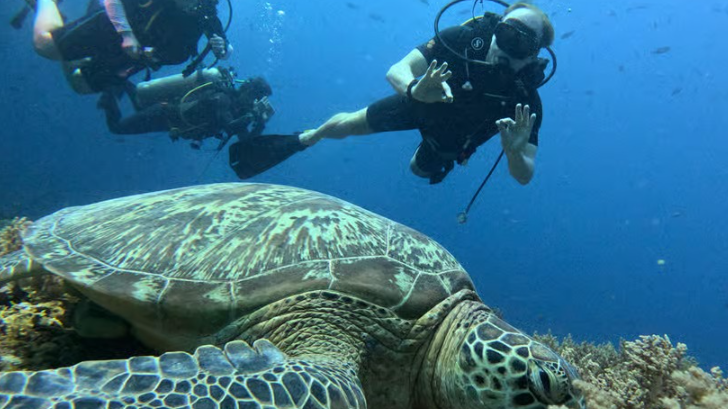
Guided Fishing Activity Trip by Instructor Ted Bullard in May
- Elite Florida Scuba & Spearfishing Charters


Summary
On a Tuesday in May, we headed out on a guided fishing activity trip in Ocala where red grouper became the prize catch of the day. This deep sea fishing experience showcased the abundance waiting just offshore, with equipment and expertise working together to make the adventure memorable.
Guided Fishing with Liquid Silence Dive Charters - Rates & Booking
Instructor Ted Bullard of Liquid Silence Dive Charters led this guided fishing activity trip on a Tuesday in May that delivered exactly what we came for. When you book a trip with Ted, you're working with someone who knows these waters and understands how to position you for success. The expedition combined traditional fishing with diving expertise, offering a hybrid approach that maximizes your time on the water.
This guided fishing activity trip included all necessary equipment and the professional guidance needed to target deep sea species effectively. The charter operates out of Ocala, where offshore conditions and local knowledge create the foundation for solid fishing days. To reserve your spot or learn more about rates and availability, contact Liquid Silence Dive Charters directly.
Highlights of Your Guided Fishing Experience
The standout moment came when the red grouper hit, delivering the kind of excitement that makes deep sea fishing worth the early wake-up and time on the water. The boat setup included dedicated spearfishing equipment alongside traditional tackle, giving us options and flexibility throughout the day. Working with an instructor who brings both fishing and diving credentials meant having someone who understood multiple ways to approach the offshore environment.
What made the day memorable wasn't just the catch itself, but the conditions and the knowledge Ted brought to every decision. Ocala's offshore access puts you in position to encounter quality species, and having a guide who knows where to find them and how to read the water makes all the difference.
Local Species Insights: Red Grouper
Red grouper are a signature offshore species found in the waters around Ocala, and they're built for the deep. These fish hold tight to structure - rocky outcroppings, reef systems, and underwater ledges where they hunt smaller fish and crustaceans. Their red-orange coloring helps them blend into deeper environments, and their strength makes them a genuine fight when hooked.
What strikes you when you connect with a red grouper is the combination of power and technique required. They don't make it easy, but that resistance is part of what makes them a respected target. The habitat around Ocala supports healthy grouper populations, which is why instructors like Ted know exactly where to position the boat to increase your odds. These fish stay relatively close to bottom structure, so successful fishing means precise positioning and reading the conditions accurately.
Red grouper behavior changes with seasons and water temperature, and having a guide who tracks these patterns makes the difference between a productive day and just being on the water. The fish are intelligent enough to move and seek shelter when pressure increases, so understanding their responses to both equipment and environmental changes matters more than raw technique alone. When everything aligns - the right location, proper timing, and solid execution - red grouper fishing delivers the kind of memorable experience that keeps people coming back.
The deeper offshore waters around Ocala create an environment where red grouper thrive, and the combination of rocky bottom terrain and current patterns supports consistent populations throughout the year. This consistency is why charter operators in the area have built their reputations around this fishery.
Fishing Activity in Ocala: Red Grouper
Red Grouper Overview
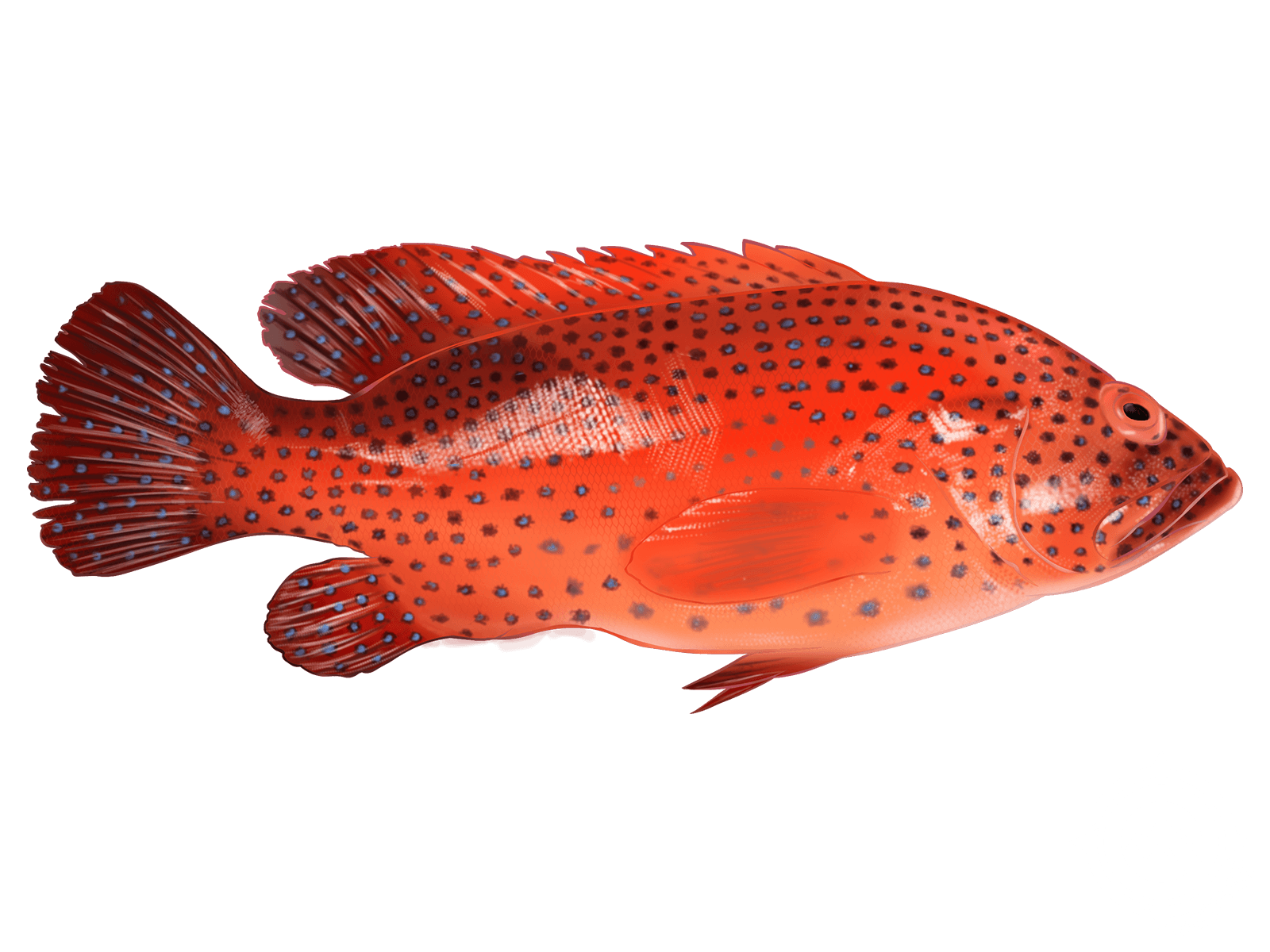
The Red Grouper (Epinephelus morio) is a member of the Serranidae family within the order Perciformes, and it's one of the most sought-after and commercially important grouper species in U.S. waters. What makes this fish instantly recognizable is its distinctive rusty-red body coloration, complemented by white spots that run from its head all the way to the base of its tail. These fish are robust and meaty despite their moderate size, equipped with a large mouth and razor-sharp teeth designed to hold onto prey rather than tear flesh. If you're fishing or diving off Florida's coast or anywhere along the Atlantic seaboard, there's a good chance you'll encounter this impressive predator. Red Groupers account for roughly 70% of all groupers harvested in U.S. waters, making them the backbone of commercial and recreational fisheries throughout the region.
Red Grouper Habitat and Distribution
Red Groupers are non-migratory fish that prefer muddy and rocky bottom habitats, typically found at depths ranging from 16 feet down to over 1,000 feet, though most recreational anglers encounter them in shallower waters between 10 and 100 feet. They thrive around reefs, ledges, wrecks, and rocky outcroppings where they can hunt effectively and find shelter. Geographically, this species is native to the western Atlantic, ranging from as far north as Massachusetts, down through Florida, throughout the Gulf of Mexico, and extending into the Caribbean and southern Brazil. Whether you're fishing nearshore structures or venturing offshore to deeper wreck systems, Red Groupers inhabit these waters year-round without undertaking significant migrations. Their preference for structured habitats makes them relatively predictable targets, though they remain formidable opponents once hooked.
Red Grouper Size and Weight
While Red Groupers can reach impressive sizes, most anglers catch fish weighing between 12 and 25 pounds, measuring roughly 17 to 35 inches in length. The record for the largest Red Grouper caught on rod and reel was a 42-pound specimen taken off St. Augustine, Florida in 1997, though such trophy-sized fish are exceptionally rare nowadays. Average catches tend to fall in the 5 to 10-pound range, with most fish not exceeding the 2-foot mark in length. Despite their relatively modest average size compared to some other grouper species, their robust and meaty body composition makes them excellent eating. These fish can live remarkably long lives, with some individuals reaching 29 years of age, which contributes to slower population recovery when overfishing occurs.
Red Grouper Diet and Behavior
Red Groupers are aggressive, opportunistic predators that actively hunt throughout the day, particularly during periods of increased current and reduced visibility. Their diet consists primarily of marine invertebrates such as shrimp, crabs, and octopi, though they'll occasionally consume smaller fish species that venture too close to their hunting grounds. These fish are ambush predators that rely on their rocky and wreck-laden habitats to surprise prey, using their large mouths to engulf meals whole rather than pursuing extended chases. They're known for their bold feeding behavior and willingness to strike at bait presentations, making them relatively straightforward targets for anglers. Behaviorally, Red Groupers are territorial fish that establish and defend specific reef or wreck locations, rarely straying far from their preferred habitats. This predictability is both a blessing and a curse—while it makes them easier to locate, it also makes them vulnerable to overfishing pressure in localized areas.
Red Grouper Spawning and Seasonal Activity
Red Groupers are protogynous hermaphrodites, meaning all individuals are born female. As they reach sexual maturity—typically between 7 and 14 years of age—many transition to males, though the exact sex ratio in wild populations remains subject to ongoing research. The spawning season typically occurs between January and April, during which both males and females release sperm and eggs into the water column for external fertilization. Fertilized eggs drift with ocean currents and hatch into larvae within approximately 30 hours. These larvae initially live among zooplankton near the water's surface before eventually settling to the bottom as juveniles, where they take refuge in seagrass beds and shallow structured habitats. Due to the critical nature of this spawning period, commercial and recreational fishing seasons for Red Groupers are completely closed from January through April in most management areas, providing these fish with crucial protection during their most vulnerable reproductive phase.
Red Grouper Techniques for Observation or Capture
Live Bait Presentation: Red Groupers respond aggressively to live bait, particularly live shrimp and crabs, which mimic their natural prey. Target rocky outcrops, reef edges, and wreck structures using light to medium tackle, allowing your bait to work naturally near the bottom where these fish hunt. Around St. Augustine, Florida and other established fishing destinations, guide services frequently use this method in 30-60 feet of water with excellent success rates.
Jigging Techniques: Vertical jigging with 1-4 ounce jigs tipped with squid or shrimp works exceptionally well, particularly around deeper wrecks and hard bottom structures. Drop your jig to the bottom, then work it with short, rhythmic lifts that create vibration and flash. Red Groupers are fierce strikers that typically hit aggressively as your jig falls or ascends.
Cut Bait Method: Fresh-cut mullet, mackerel, or bonito presented on the bottom near structure attracts these fish consistently. Use a standard bottom rig with a 2-3 ounce sinker and circle hook, letting your offering rest on the substrate where Red Groupers naturally forage. Be prepared for a tough fight, as these fish are renowned for their powerful runs and stubborn resistance near bottom structure.
Red Grouper Culinary and Utilization Notes
Red Grouper meat is highly prized in culinary circles, known for its moist, firm, and delightfully flaky texture with a shellfish-like flavor profile that sets it apart from many other fish species. The meat is white to pale pink and holds up beautifully to various cooking methods—whether grilled, baked, fried, or steamed. Commercially, Red Grouper is sold fresh or frozen as whole fish, steaks, or fillets, commanding premium prices at seafood markets and restaurants throughout the country. Nutritionally, grouper provides excellent lean protein, omega-3 fatty acids, and essential minerals. One important consideration: because Red Groupers feed heavily on shellfish, their meat can occasionally accumulate toxins from red tide events, so sourcing from reputable suppliers during clear water conditions is advisable. Sustainability-conscious consumers appreciate that catch limitations and seasonal closures help protect this species, making responsible consumption a meaningful choice for the future of the fishery.
Red Grouper Frequently Asked Questions
Q: What is the best bait for catching Red Grouper?
A: Live shrimp and live crabs are the most effective natural baits for Red Grouper, as they match the fish's preferred natural diet. Fresh-cut mullet and mackerel also work well. The key is presenting these baits near the bottom structure where Red Groupers actively hunt, using enough weight to reach the seafloor without excessive resistance.
Q: Where can I find Red Grouper near major fishing destinations?
A: Red Grouper are abundant throughout the Atlantic coast and Gulf of Mexico. Off Florida's coasts, particularly around St. Augustine and the Keys, productive areas include reef systems, offshore wrecks, and rocky outcroppings in 30-300 feet of water. Check with local charter operators for the most current productive spots, as Red Groupers congregate around specific structural features that shift seasonally.
Q: Is Red Grouper good to eat?
A: Absolutely—Red Grouper is considered one of the finest-tasting grouper species available. The meat is firm, flaky, moist, and features a subtle shellfish-like flavor that appeals to seafood enthusiasts. It's versatile in the kitchen and maintains excellent texture through various cooking methods, making it a worthwhile catch for the dinner table.
Q: When is the best time to catch Red Grouper?
A: While Red Grouper are available year-round in their native waters, the recreational and commercial fishing season is closed from January through April during spawning season. The best fishing typically occurs May through December, with consistent action available whenever current flows through your target structure and visibility is moderate.
Q: How do I know if I've hooked a Red Grouper versus another grouper species?
A: Red Groupers typically put up a powerful, stubborn fight with strong headshakes and runs toward structure. Their aggressive initial strike is usually unmistakable. Once landed, the distinctive rusty-red coloration, white spots across the body, and characteristic head shape make identification straightforward—these features are essentially diagnostic for this species.
Q: Are Red Grouper populations declining?
A: While Red Grouper populations haven't reached critical levels, documented declines have occurred in some Gulf of Mexico regions due to historical overfishing and accidental capture of juveniles by shrimp trawlers. Management measures including catch limitations, seasonal closures, and depth restrictions are actively working to restore populations and ensure sustainable fisheries for future generations.