/filters:format(jpeg,png)/fit-in/300x300/guide_websites/133101/images/1778551564055liquid_silence_dive_charters_logo.png)
/filters:format(jpeg,png)/fit-in/237x80/guide_websites/133101/images/1778551564055liquid_silence_dive_charters_logo.png)
Beginner’s Guide to Scuba Diving
%2Ffit-in%2F1000x1000%2Ffilters%3Aformat(webp)%2Fguide_websites%2F133101%2Fimages%2F1778885790220scuba-diving-instructor-ted-bullard.jpg.jpg&w=1920&q=75)
Published: July 7, 2026
One deep breath above the surface, and everything changes the moment you descend into the underwater world. In 2026, scuba diving for beginners is becoming one of the most searched adventure experiences, especially in destinations like Florida. Calm waters, rich marine life, and iconic spring systems such as Crystal River and Blue Grotto make it ideal for first-time divers. Understanding the basics of scuba diving Florida experiences helps beginners prepare for a safe, confident, and unforgettable underwater journey.
From breathing techniques to gear awareness and safety fundamentals, learning scuba diving the right way ensures you enjoy every moment beneath the surface without fear or confusion. That’s why beginner-focused dive planning matters before entering the water. It builds confidence and safety awareness.
Understanding the Basics of Scuba Diving Equipment
Before you even take your first underwater breath, your entire scuba diving experience depends on one thing—your gear. For beginners exploring scuba diving for beginners or planning their first scuba diving Florida adventure, understanding equipment is not just helpful, it’s essential for safety, comfort, and control underwater.
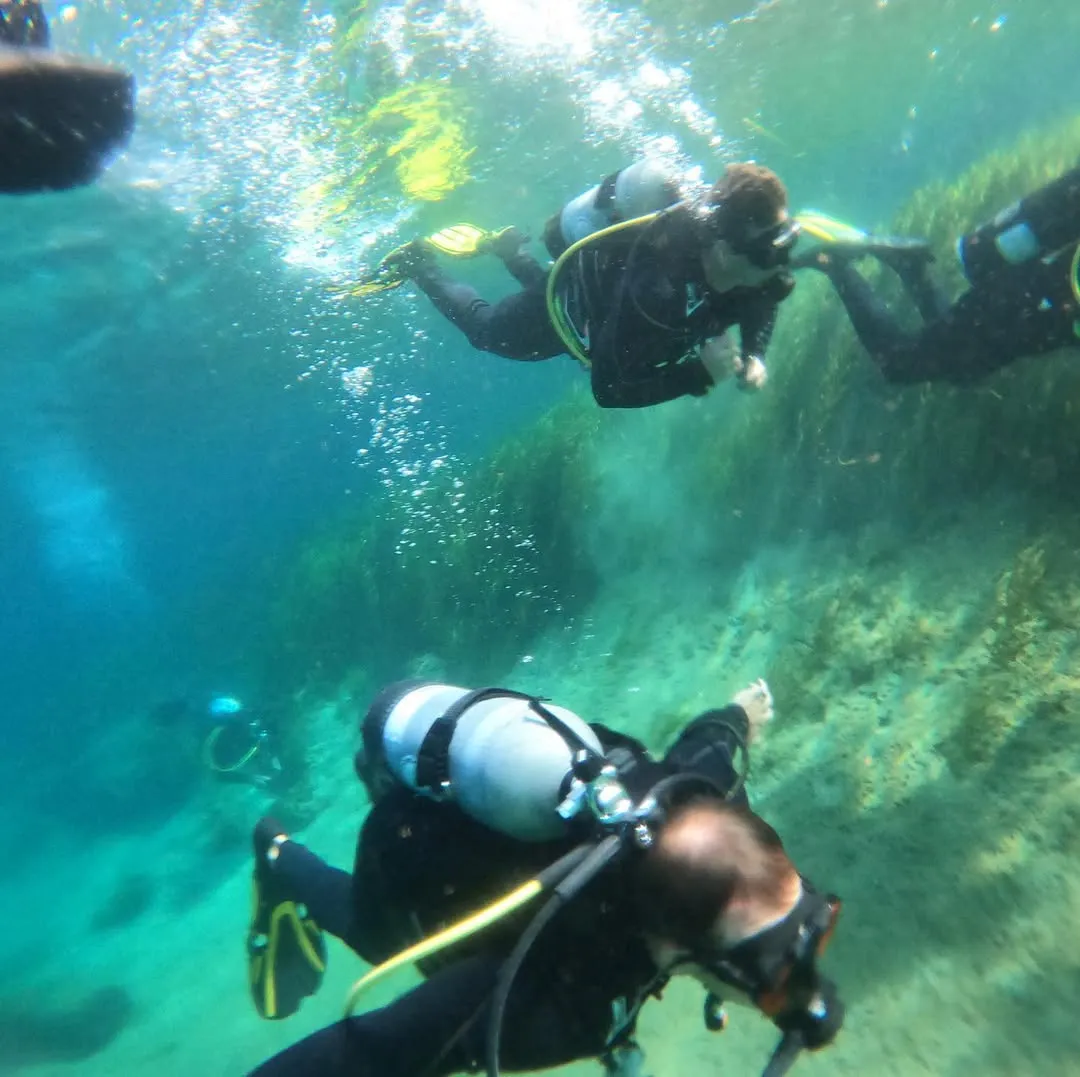
At the core of scuba diving equipment are a few key essentials: a mask for clear underwater vision, fins for smooth movement, a wetsuit for temperature protection, a buoyancy control device (BCD) to help you float or descend, and a regulator that delivers air from your tank. Each piece works together to keep you stable and safe while you explore underwater environments like Crystal River diving spots or freshwater springs.
Modern dive setups also include dive computers that track depth, time, and air supply—crucial tools for beginner scuba diving safety. Learning how each component functions builds confidence and ensures a smoother transition into your first dive experience.
Scuba Diving Certification: What Beginners Need to Know
Getting certified is the moment your scuba journey shifts from curiosity to confidence—it transforms you from a first-time explorer into a trained diver ready for safe underwater adventures. For anyone starting with scuba diving for beginners or planning their first scuba diving Florida experience, certification is the foundation of safety, skill, and control beneath the surface.
- Why certification is essential: Scuba diving certification teaches you how to manage air supply, buoyancy, and underwater movement while following global safety standards.
- SDI and PADI beginner courses: Training programs like SDI and PADI are designed for first-timers, offering structured learning from basic theory to real dive practice.
- Step-by-step learning process: Courses include classroom lessons, pool/confined water training, and open-water dives in calm environments like Crystal River.
- Safety and emergency skills: You learn how to handle underwater signals, equipment issues, and emergency ascent procedures with confidence.
- Best beginner training locations in Florida: Natural springs such as Crystal River and Blue Grotto provide clear, calm waters ideal for beginner certification dives.
- Global diving eligibility: Once certified, you can dive at approved sites worldwide, either independently with a buddy or through guided scuba diving tours.
- Confidence-building underwater experience: Certification helps reduce fear, improve breathing control, and make your first real dive more enjoyable and stress-free.
Best Beginner-Friendly Dive Locations in Florida
Florida is where first-time divers truly find their confidence—calm waters, crystal-clear visibility, and beginner-safe sites make it one of the world’s top destinations for scuba diving for beginners and scuba diving Florida adventures.
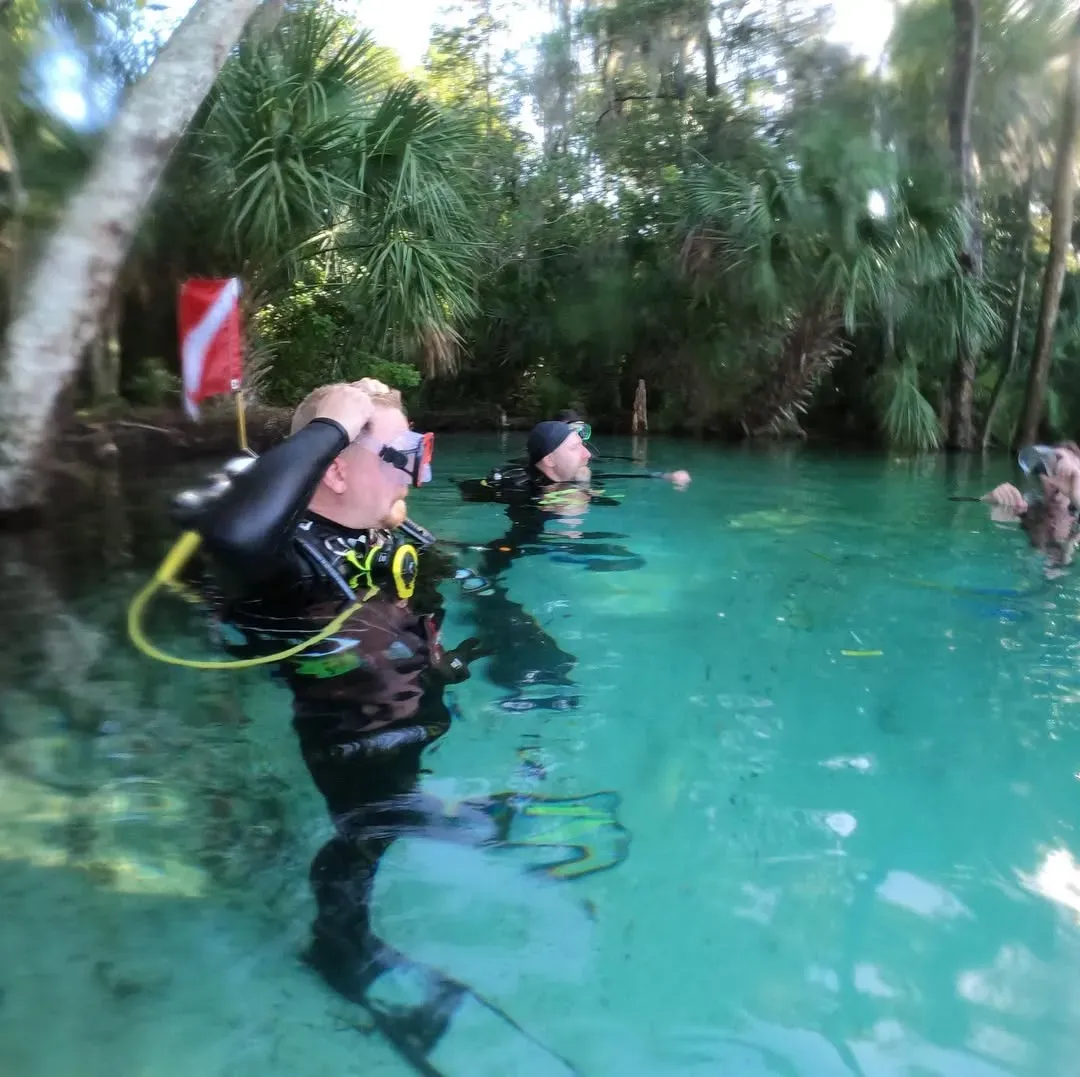
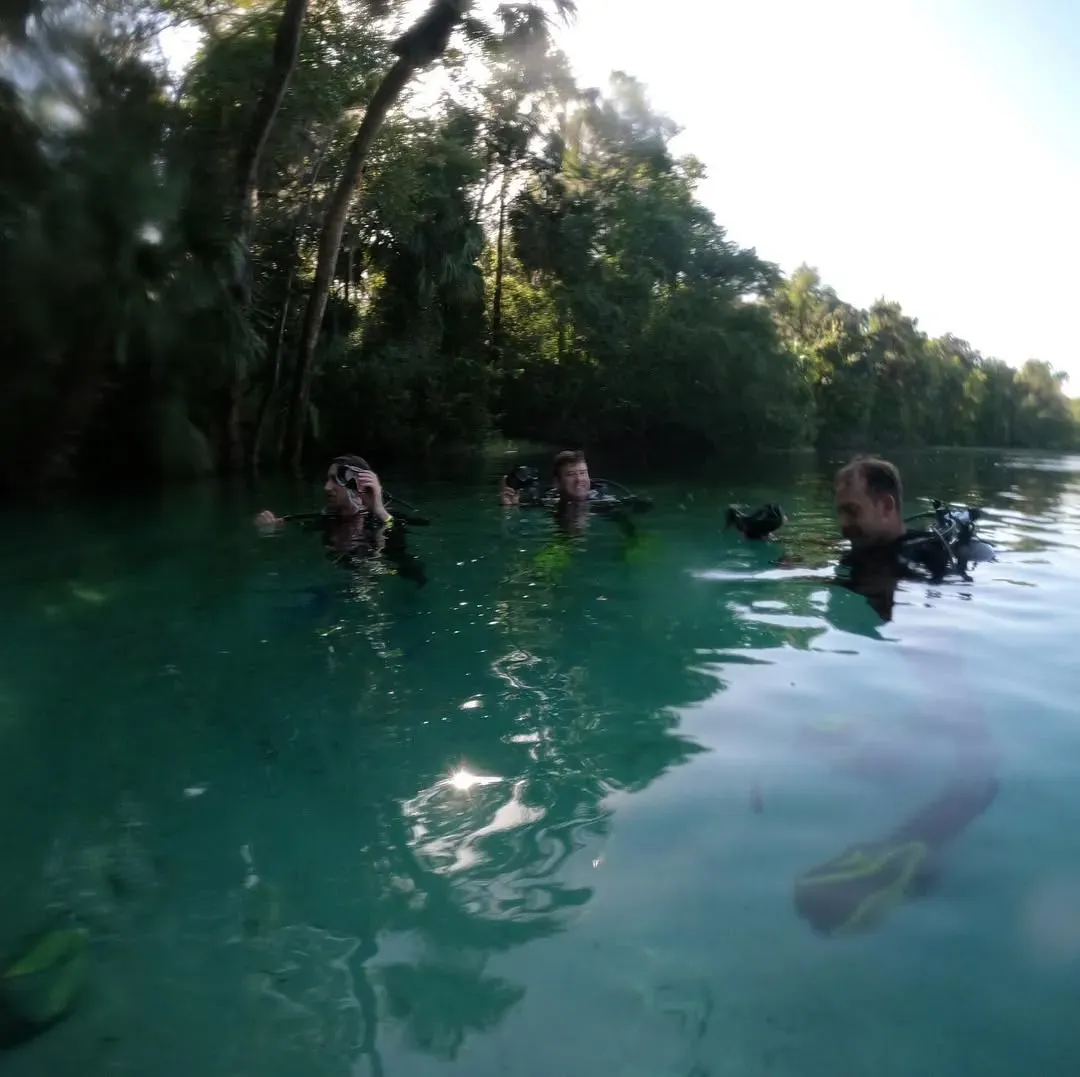
- Crystal River Springs (Beginner Paradise): Known for its calm freshwater conditions, Crystal River is ideal for first dives, snorkeling, and crystal river diving experiences with excellent visibility and gentle currents.
- Blue Grotto Diving Florida (Training Favorite): One of the most popular inland dive sites, Blue Grotto offers controlled depth, clear water, and safe entry points perfect for learning scuba skills and gaining confidence.
- Rainbow River (Drift Diving Experience): A slow-moving river system where beginners can experience easy drift diving while observing fish and aquatic plants in a relaxed environment.
- Devil’s Den Spring (Unique Underground Dive): A prehistoric underground spring offering a surreal diving experience with stable conditions suitable for supervised beginner dives.
- Offshore Gulf Waters (Guided Beginner Dives): Calm-weather guided dives introduce beginners to marine life and reef environments with professional supervision.
- Shallow Reef Sites (Coastal Florida): Ideal for first-time ocean dives, these reefs offer manageable depths, colorful marine life, and smooth learning conditions.
Marine Life You Can Expect to See
Every descent into Florida’s underwater world feels like entering a living aquarium, where vibrant colors, calm waters, and endless movement introduce you to diverse Florida fish species and unforgettable marine encounters.
- Colorful reef fish: Expect to see snapper, angelfish, parrotfish, and grouper gliding around reefs, especially in clear scuba diving Florida locations.
- Gentle manatee encounters: In places like Crystal River, beginners may witness peaceful manatees in their natural habitat during Crystal River diving or snorkeling experiences.
- Sea turtles in coastal waters: Green and loggerhead turtles are commonly spotted in warmer offshore diving zones, moving gracefully through open water.
- Eel and ray sightings: Southern stingrays and garden eels often appear in sandy bottoms and shallow reef areas, adding excitement for first-time divers.
- Crustaceans and reef life: Lobsters, crabs, and shrimps hide among coral formations, showcasing the rich biodiversity of Florida’s underwater ecosystems.
- Occasional dolphin encounters: Lucky divers may even see dolphins playing near dive boats in offshore Gulf waters during guided trips.
Beginner-Friendly Adventures Beyond Scuba Diving
Not every underwater adventure in Florida starts with scuba gear—some of the most unforgettable experiences begin right at the surface, especially for those exploring scuba diving for beginners and nearby water-based activities in scuba diving Florida destinations.
Beyond diving, Florida offers a range of beginner-friendly marine adventures that let you explore its rich ecosystems in a more relaxed way. One of the most popular is snorkeling with manatees, especially in Crystal River, where calm waters make encounters safe and magical during seasonal migrations. Another favorite is scalloping trips Crystal River, where families and beginners can wade through shallow waters and collect scallops during scallop season Florida.
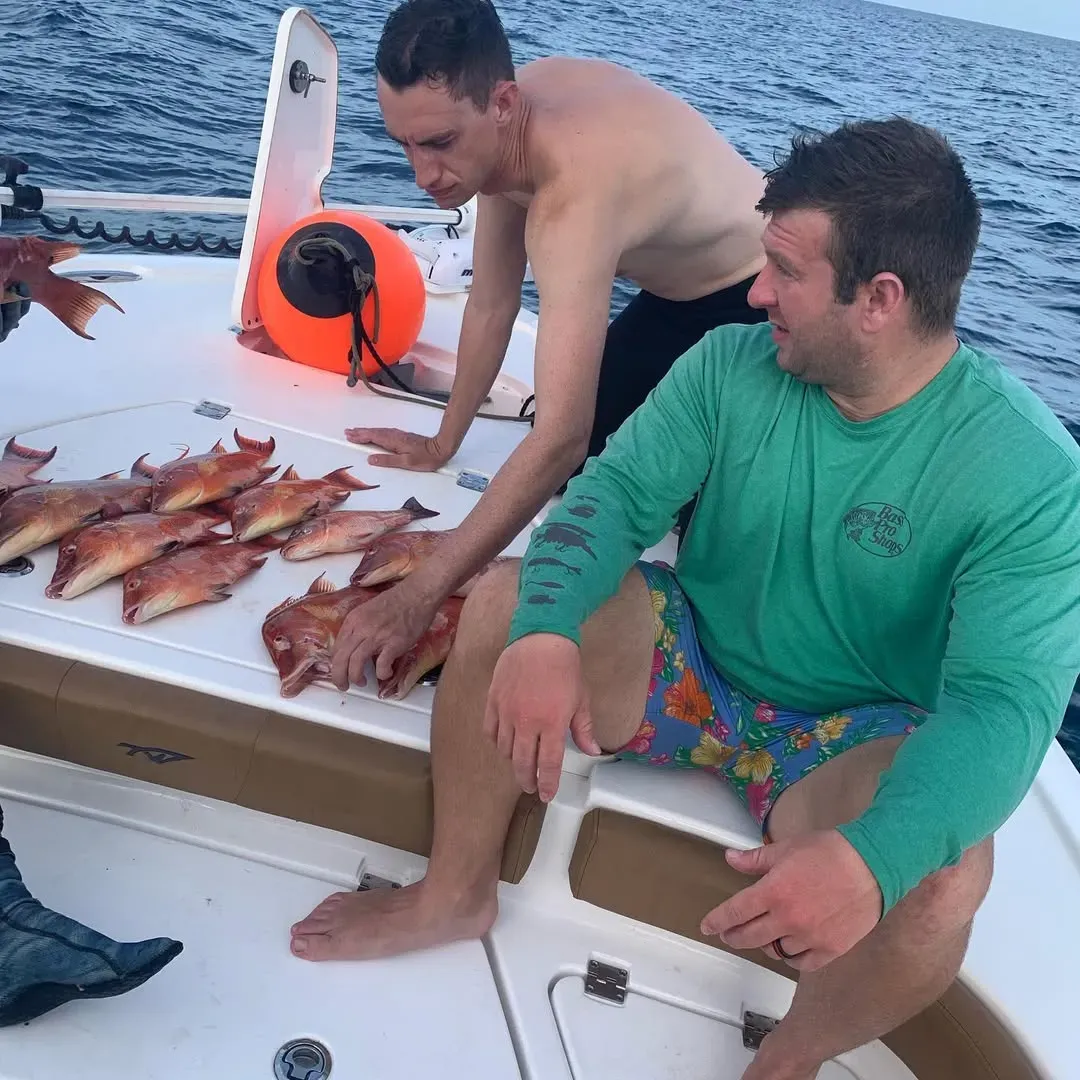
For those who prefer surface-level exploration, Florida fishing charters and guided fishing trips Florida offer exciting offshore and inshore experiences. From Crystal River boat tours to Florida deep sea fishing, beginners can enjoy marine life without diving deep. These activities perfectly complement your scuba journey while building comfort in Florida’s aquatic world.
Step-by-Step Guide: Your First Scuba Dive Experience
Your first descent beneath the surface isn’t just a dive—it’s a carefully guided journey where every step is designed to build confidence, especially for those starting their scuba diving for beginners experience in scuba diving Florida waters.
- Pre-dive briefing and safety introduction: Your instructor explains equipment, hand signals, breathing techniques, and safety rules so you feel fully prepared before entering the water.
- Gear fitting and setup: You are equipped with a mask, fins, wetsuit, BCD, and regulator, all adjusted for comfort and proper underwater performance.
- Surface breathing practice: Before diving, you practice controlled breathing to get comfortable using the regulator and staying calm underwater.
- Controlled water entry: You enter the water slowly with instructor support, ensuring balance, safety, and confidence from the very beginning.
- Descent and equalization: As you go underwater, you learn to equalize pressure in your ears and control buoyancy for a smooth descent.
- Underwater exploration: You begin a guided swim through calm environments like Crystal River or Blue Grotto, observing marine life at beginner depth.
- Ascent and post-dive review: After surfacing, your instructor reviews the dive, helping you understand improvements and build confidence for future dives.
Safety Tips for Beginner Scuba Divers
Safety is the real foundation of every unforgettable underwater experience, especially when you’re exploring scuba diving for beginners or planning your first scuba diving Florida adventure in new and unfamiliar waters.
- Always dive with a certified instructor or buddy: Never attempt a dive alone; guided supervision ensures immediate help and safe navigation underwater.
- Master slow and steady breathing: Controlled breathing reduces panic, conserves air, and helps you stay calm in deeper waters.
- Equalize pressure frequently: Clear your ears regularly during descent to avoid discomfort or injury caused by pressure changes.
- Check your equipment before every dive: Inspect mask, regulator, tank, and BCD to ensure everything is functioning properly before entering water.
- Follow depth limits for beginners: Stay within recommended shallow depths, especially in beginner sites like Crystal River or Blue Grotto.
- Stay aware of your surroundings: Monitor currents, marine life, and your instructor’s signals at all times for safe navigation.
- Avoid overexertion underwater: Move slowly and efficiently to conserve energy and maintain control throughout the dive.
Why Choose Guided Dive Charters in Crystal River
The difference between a good dive and an unforgettable one often comes down to guidance—especially when exploring the rich waters of scuba diving Florida and beginner-friendly Crystal River diving locations.
Guided dive charters in Crystal River are designed to remove uncertainty and maximize safety, comfort, and underwater enjoyment for those starting with scuba diving for beginners. Instead of navigating unfamiliar waters alone, beginners benefit from experienced local professionals who understand currents, visibility conditions, and the best dive spots throughout the year.
These charters typically operate from well-equipped departure points such as Pete’s Pier, providing easy access to both freshwater springs and offshore Gulf dive sites. Operators like Liquid Silence Dive offer structured dive experiences led by seasoned maritime experts, ensuring beginners feel supported from preparation to ascent.
Many charters also use stable, high-performance dive vessels equipped for comfort in varying sea conditions, making the journey as smooth as the dive itself. With professional instruction, guided navigation, and safety-first planning, beginners can focus fully on learning, exploring, and enjoying Florida’s underwater world with confidence.
Who Can Learn Scuba Diving?
Scuba diving isn’t just for experts—it’s an accessible adventure waiting for almost anyone ready to explore the underwater world through scuba diving for beginners programs and safe scuba diving Florida experiences.
Most people can learn scuba diving with basic health fitness, curiosity, and the willingness to follow instructions. Beginner courses are designed to make diving simple, even for first-timers who have never been in deep water before.
- Age requirements: Most training programs allow participants from around 10–12 years and older, depending on certification standards.
- Basic swimming ability: You don’t need to be an expert swimmer, but comfort in water is important for safety.
- Good general health: Divers should be free from serious respiratory or heart conditions that may affect underwater pressure changes.
- Beginners and non-swimmers (guided dives): With instructor support, even nervous beginners can experience shallow, controlled dives in places like Crystal River.
- Medical clearance if needed: Some participants may require a quick health questionnaire before diving approval.
Best Time for Scuba Diving in Florida
The best scuba diving experiences aren’t just about where you go—they’re also about when you go, especially for scuba diving for beginners exploring scuba diving Florida waters for the first time.
Florida offers year-round diving, but the ideal time depends on visibility, water temperature, and marine activity. Choosing the right season can make your first dive smoother, safer, and far more enjoyable.
- Spring (March to May): One of the best seasons for beginners with calm seas, warm temperatures, and excellent visibility in places like Crystal River and Blue Grotto.
- Summer (June to August): Peak season for Crystal River diving and scalloping trips, with warm waters but slightly reduced visibility in some offshore areas.
- Fall (September to November): Ideal balance of fewer crowds, stable weather, and clear underwater conditions—perfect for beginner training dives.
- Winter (December to February): Cooler water but excellent visibility in springs, making it great for focused learning and certification dives.
- Manatee season (November to March): A unique opportunity for snorkel with manatees and swimming with manatees Florida experiences in Crystal River.
- Best overall recommendation: Late spring and early fall offer the most beginner-friendly conditions for safe and comfortable scuba diving.
Conclusion
Every great underwater journey begins with a single decision—to take the leap and explore a world most people only dream about. For anyone starting with scuba diving for beginners, Florida offers the perfect blend of calm waters, rich marine life, and world-class training environments that make learning both safe and exciting.
From Crystal River’s gentle springs to Blue Grotto’s clear depths, every dive builds confidence and opens the door to unforgettable experiences in scuba diving Florida waters. Whether you’re exploring colorful reefs, learning essential safety skills, or encountering marine life up close, each moment underwater becomes part of your transformation as a diver.
If you’re ready to move from curiosity to confidence, guided training and professional dive experiences are the best way to begin your journey safely.
Start your scuba diving adventure today—explore beginner-friendly dive experiences, discover Florida’s underwater beauty, and take your first step toward becoming a certified diver.
FAQs
1. What is scuba diving for beginners?
Scuba diving for beginners is a guided underwater activity where first-timers learn breathing, safety, and basic diving skills with instructors.
2. Is scuba diving safe for beginners in Florida?
Yes, scuba diving Florida is safe for beginners when done with certified instructors, proper training, and controlled beginner-friendly dive sites.
3. Do I need certification for my first scuba dive?
No certification is required for try dives, but scuba diving certification helps beginners dive safely and independently worldwide.
4. What is the best place for beginner scuba diving in Florida?
Crystal River diving and Blue Grotto diving Florida are ideal beginner spots due to calm waters, clear visibility, and safety.
5. How deep do beginner scuba divers go?
Beginner scuba diving usually stays between 6–12 meters, ensuring safe, controlled underwater exploration with professional supervision.
6. Can non-swimmers try scuba diving?
Yes, non-swimmers can try scuba diving with guided instructors, although basic water comfort is recommended for safety.
7. What equipment do beginner scuba divers use?
Beginners use mask, fins, wetsuit, regulator, BCD, and tank, all provided and checked by certified diving instructors.
8. What marine life can beginners see in Florida?
Beginners may see Florida fish species, manatees, rays, turtles, and colorful reef fish in scuba diving Florida locations.
9. When is the best time for scuba diving in Florida?
Spring and fall are best for scuba diving Florida, offering warm water, clear visibility, and calm beginner-friendly conditions.
10. How long does a first scuba diving experience take?
A beginner scuba diving session typically lasts 2–4 hours, including briefing, training, and guided underwater exploration.